

Colors have a profound impact on our emotions and perceptions, and in the world of sports, they play a pivotal role in shaping team identities and fostering a deep connection between fans and their teams.
From the vibrant reds and blues to the bold blacks and golds, each color conveys a unique message and meaning. In this blog post, we delve into the fascinating realm of colors and explore what they symbolize for sports teams, offering insights into the psychology behind these choices.
Red embodies passion, energy, and determination, and is often associated with strength, power, and aggression. Many sports teams incorporate red into their uniforms to evoke a sense of dominance and tenacity. Teams like the Kansas City Chiefs or the Boston Red Sox wear this powerful hue, creating an aura of ferocity and unwavering commitment.
In studies, red has been found to be the best color for sports as it represents energy and vitality, and sparks enthusiasm in the fans!

.
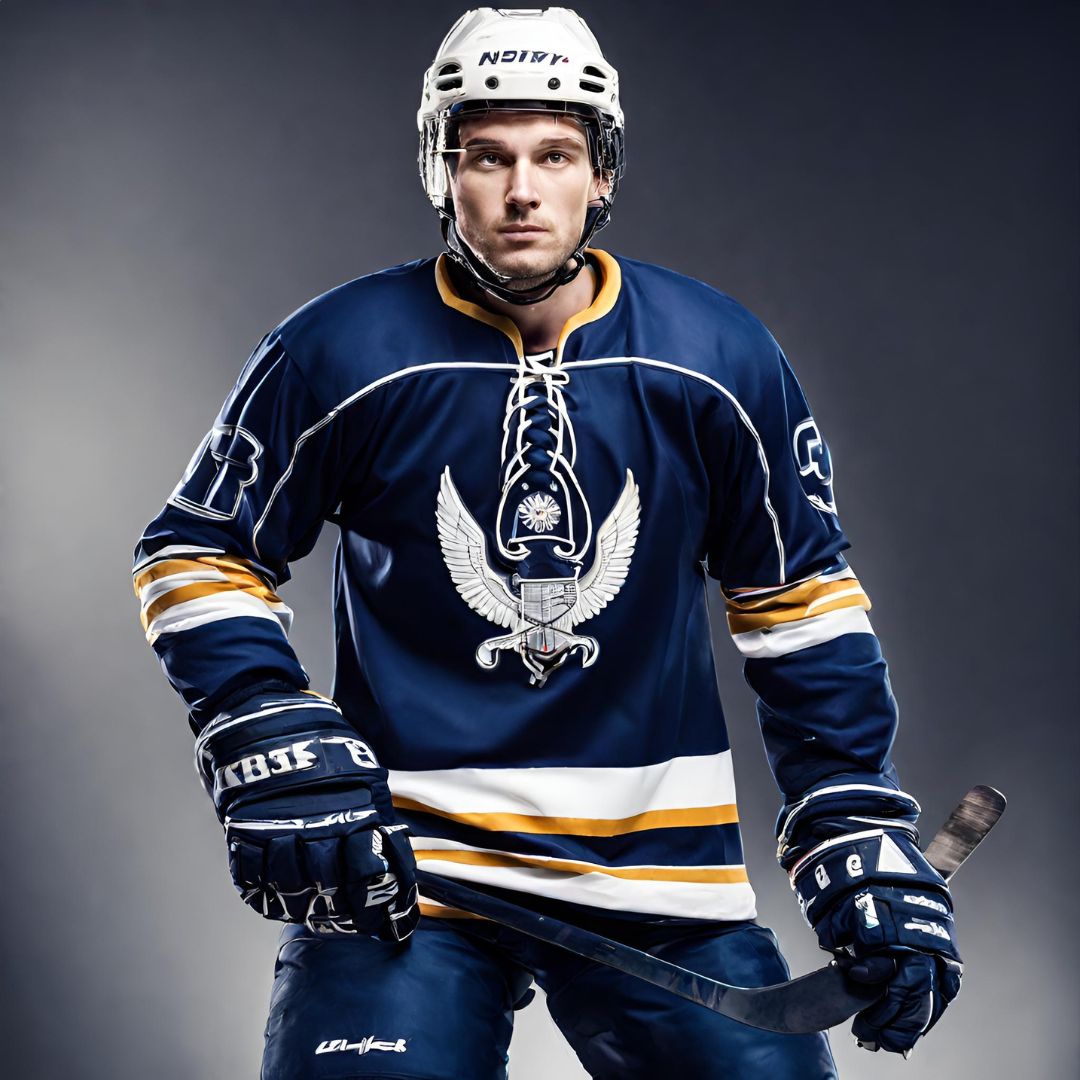
Blue is associated with tranquility, reliability, and trustworthiness. Teams that adopt blue in their branding, such as the New York Yankees or the Buffalo Sabres, aim to establish a sense of stability and dependability.
Blue is known to have a calming effect, instilling a sense of confidence and focus in both athletes and fans alike.
.
Green symbolizes growth, renewal, and harmony. Sports teams that embrace green, such as the Green Bay Packers or the Boston Celtics, draw upon these associations to create a sense of unity and connection with their fans.
Green is believed to have a positive impact on concentration and endurance, making it a favorable choice for teams seeking to foster resilience and teamwork.

.
Black signifies authority, strength, and mystery. This color is often associated with esteemed teams, such as the Pittsburgh Steelers or the Tampa Bay Lightning, emphasizing their dominance and championship aspirations.
Research has shown that teams in black were more intimidating than those in other colors (and also known to be penalized more often in the NHL and NFL than any other team colors)!

.
Orange, a color that combines the passion of red and the cheerfulness of yellow, represents action, excitement, and a zest for life. Sports teams incorporating orange into their branding, such as the Denver Broncos or the Houston Dynamo, aim to radiate a sense of energy and excitement.
Orange stimulates creativity, boosts morale, and creates a lively atmosphere both on and off the field.

.
Purple has long been associated with royalty, luxury, and ambition. Teams that incorporate purple into their visual identity, such as the Los Angeles Lakers or the Minnesota Vikings, aim to convey a sense of grandeur and excellence.
Purple stimulates imagination and encourages innovation, making it an ideal choice for teams that seek to stand out and push boundaries.

.
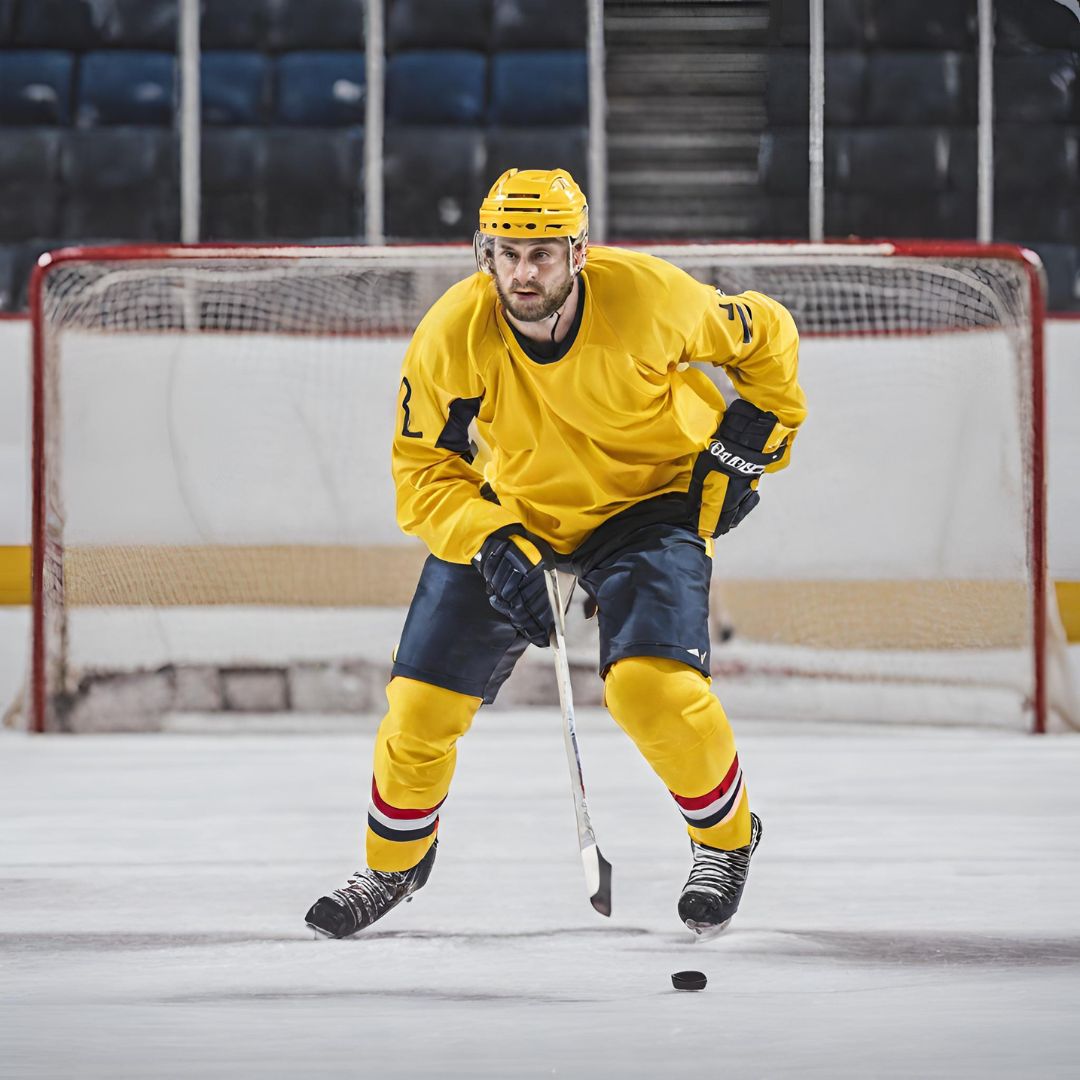
Yellow, often associated with sunshine and happiness, symbolizes optimism, positivity, and energy. Sports teams that adopt yellow in their branding, such as the Pittsburgh Penguins or the Golden State Warriors, aim to convey a sense of brightness and optimism.
Yellow stimulates mental activity, promotes clear thinking, and instills a sense of confidence, making it an uplifting choice for teams and their fans.
.
Silver, a color associated with technology and futurism, exudes sophistication, innovation, and elegance. Sports teams incorporating silver into their visual identity, such as the Dallas Cowboys or the San Antonio Spurs, aim to project a sense of cutting-edge style and success.
Silver is often used to complement other colors and can enhance their impact, adding a touch of refinement and exclusivity.

.
Conclusion
Colors hold immense power in the world of sports, shaping team identities, eliciting specific emotional responses, and establishing a unique connection between teams and their fans. By understanding the psychology behind these color associations, we gain insights into the profound impact colors have on the world of sports, where allegiance, pride, and the pursuit of victory merge to create an unparalleled sporting experience.
Thanks for reading! See you soon,
Carrie
.

 Team Colors By Carrie